Your Complete Nairobi Travel Guide: Essential Tips & Stunning Things to Do in Kenya
Nairobi Things to Do: Where the Adventure Begins
Nairobi things to do are so plentiful and diverse that many travelers find themselves wishing they had booked a longer trip. Kenya’s vibrant capital is one of Africa’s most exciting urban destinations — a city that seamlessly blends wildlife encounters, rich culture, buzzing food scenes, and a growing creative arts movement, all within a sprawling metropolis sitting at 1,795 meters above sea level. Whether you’re a first-time visitor or a returning traveler, Nairobi rewards curiosity at every turn.
Often dismissed as simply a transit hub on the way to safari destinations, Nairobi deserves far more credit. It is a city of contrasts — where giraffes roam within eyeshot of office towers, where street food vendors serve next to world-class restaurants, and where colonial history meets a fiercely modern African identity. This guide is designed to help you make the most of your time in Kenya’s remarkable capital.
—
Getting to Know Nairobi
Nairobi is the largest city in East Africa and the economic heartbeat of Kenya. Jomo Kenyatta International Airport (JKIA) connects the city to dozens of destinations worldwide. Once you land, you’ll find the city divided into several key neighborhoods — Westlands for nightlife and restaurants, Karen and Langata for upscale living and wildlife proximity, the Central Business District (CBD) for shopping and history, and Kilimani and Lavington for boutique hotels and café culture.
The city’s traffic can be notoriously heavy, especially during morning and evening rush hours. Many locals use the term jam to describe the gridlock with a kind of weary humor. Plan your sightseeing accordingly — try to be on the road before 7:30 AM or after 8:00 PM to avoid the worst delays.
—
Nairobi Travel Tips You Need to Know Before You Go
Before diving into the highlights, a few practical Nairobi travel tips will help you get the most out of your visit:
– Currency: Kenya uses the Kenyan Shilling (KES). ATMs are widely available, but carrying some cash is advisable for markets and local eateries.
– Safety: Nairobi has a reputation that is sometimes exaggerated. Stick to well-known neighborhoods, avoid walking with expensive equipment visibly, and use reputable taxi apps like Bolt or Uber rather than hailing cabs on the street.
– Health: Ensure your malaria prophylaxis is up to date if you’re heading outside the city. Yellow fever vaccination may be required depending on your country of origin.
– SIM Cards: Grab a Safaricom line upon arrival — it’s Kenya’s most reliable network and M-Pesa mobile money is widely accepted.
– Weather: Nairobi enjoys a relatively mild climate year-round. The long rains run from March to May, and the short rains from October to December. The dry months of June to September and January to February are ideal for visiting.
– Tipping: Not mandatory but always appreciated. Around 10% at restaurants or rounding up taxi fares is standard practice.
– Dress Code: Nairobi is cosmopolitan, and modern clothing is widely accepted. However, if visiting religious sites or rural areas, dress modestly out of respect.
—
Top Attractions: The Best Nairobi Things to Do
1. David Sheldrick Wildlife Trust — A Truly Unforgettable Experience
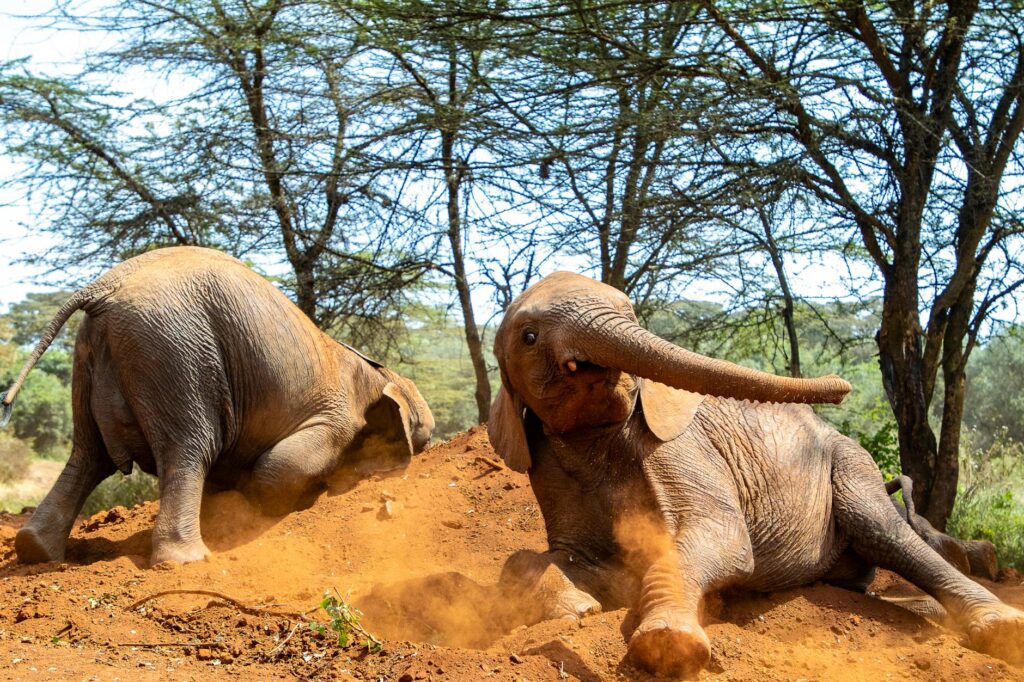
No visit to Nairobi is complete without spending time at the David Sheldrick Wildlife Trust (DSWT). Located on the edge of Nairobi National Park in the Langata area, this world-renowned elephant orphanage has been rescuing and rehabilitating orphaned elephants and rhinos since 1977. Founded by Dame Daphne Sheldrick in memory of her husband David, the Trust has hand-raised over 270 elephants, many of which have been successfully reintegrated into wild herds.
Visiting hours are held every day from 11:00 AM to 12:00 PM, when you can watch the young elephants splash in mud baths, interact with keepers, and drink from enormous bottles. The experience is deeply moving — watching a tiny elephant that was rescued from a poaching site or a dry water hole thrive under human care is both heartwarming and poignant.
Practical tips for visiting the David Sheldrick Wildlife Trust:
– Book your visit in advance on the official DSWT website, especially during high season
– The entrance fee is a suggested donation of around USD $7 for general visitors
– Consider becoming a “foster parent” to one of the elephants — it’s an affordable way to support conservation long-term
– Arrive a few minutes early to secure a good viewing spot near the mud bath area
The Trust is also involved in anti-poaching initiatives, community engagement, and habitat preservation across Kenya, making any donation or visit a direct contribution to wildlife conservation.
—
2. Nairobi National Park — Safari Minutes from the City
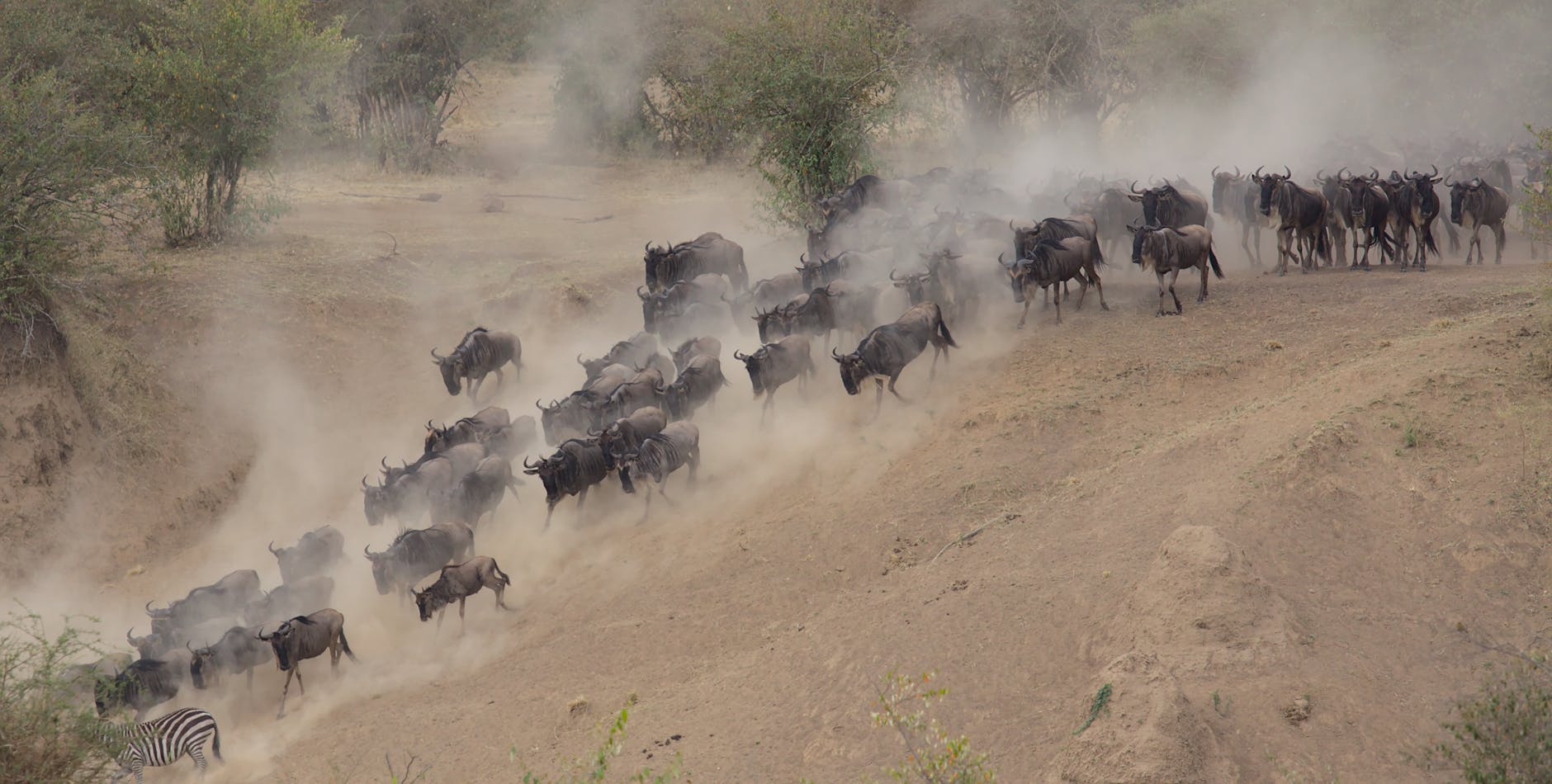
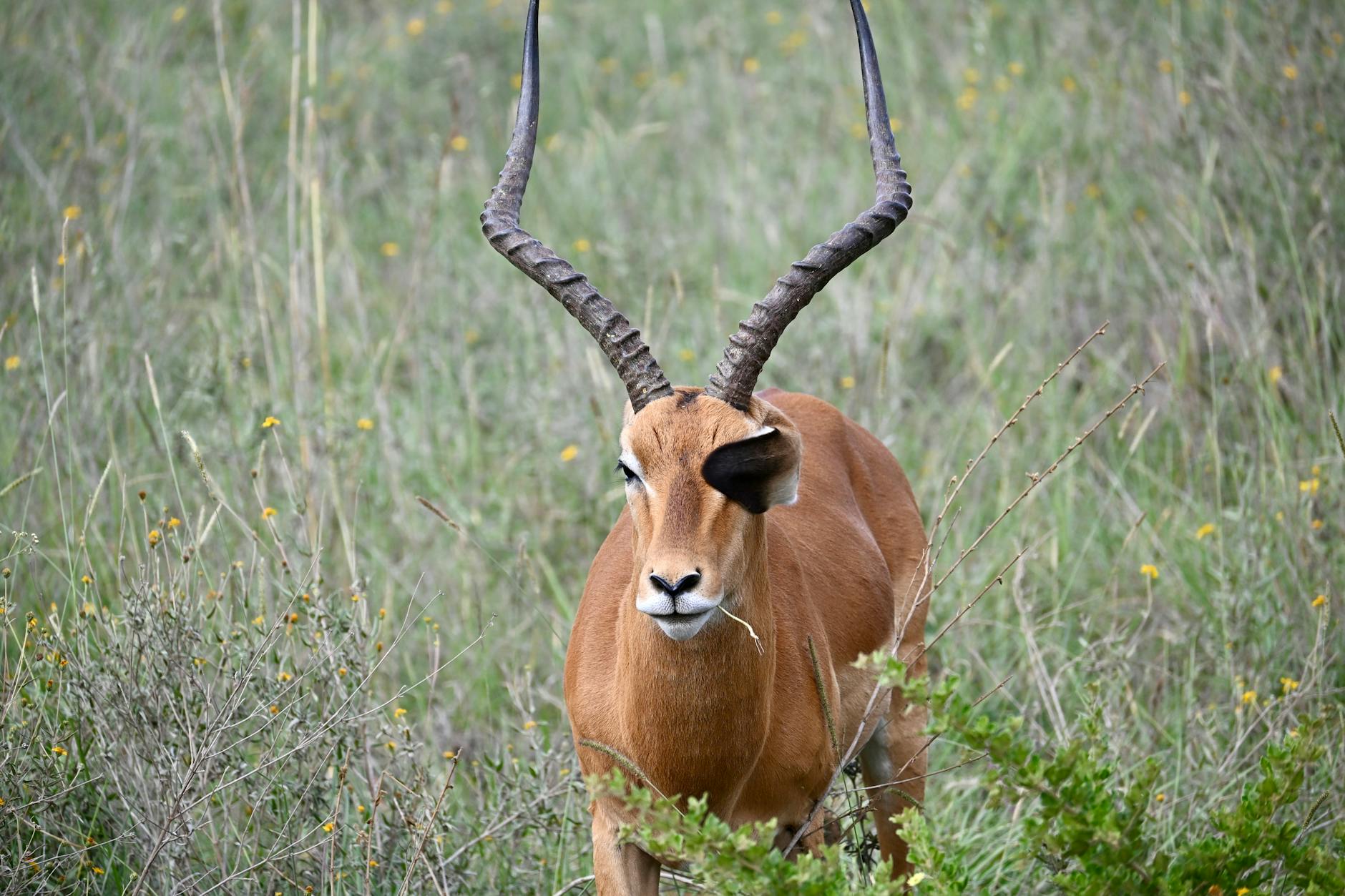
One of the world’s most unique wildlife reserves, Nairobi National Park is the only national park on Earth located within a capital city. Lions, leopards, cheetahs, buffalo, rhinos, and hundreds of bird species roam the grasslands against a backdrop of city skyscrapers. A morning game drive here can be extraordinarily rewarding and surprisingly affordable compared to other Kenyan safari destinations.
Entrance fees vary by nationality — foreign non-residents pay around USD $43 per adult. Self-drive is an option, or you can hire a tour guide from one of the many operators near the gate.
—
3. Giraffe Centre — Get Up Close with Africa’s Tallest Animals
The African Fund for Endangered Wildlife (AFEW) Giraffe Centre in Langata offers visitors the rare opportunity to hand-feed endangered Rothschild giraffes from an elevated wooden platform. These gentle giants lean in with their long purple tongues to collect pellets from your hand — an experience that children and adults alike find absolutely magical.
The center also runs important conservation and education programs. Combined with a visit to the David Sheldrick Wildlife Trust (both are in the same neighborhood), this makes for a perfect wildlife-focused morning or afternoon.
—
4. Nairobi National Museum
If you want to understand Kenya’s history, culture, and natural heritage all in one place, the Nairobi National Museum is essential. The museum houses impressive exhibits on Kenyan prehistory, colonial history, art, and ethnography. The Snake Park next door is an added bonus, particularly for those traveling with children.
—
5. Kazuri Beads and Pottery Centre
Located in Karen, Kazuri (meaning “small and beautiful” in Swahili) is a social enterprise that employs over 300 marginalized women to create handcrafted beaded jewelry and ceramics. A tour of the factory floor is both fascinating and deeply inspiring. The shop sells affordable, authentic Kenyan gifts that make far more meaningful souvenirs than mass-produced items.
—
6. Maasai Market
Held on a rotating schedule across different locations in Nairobi (Westgate on Fridays, Village Market on Fridays, and in the CBD on Tuesdays and Wednesdays), the Maasai Market is an outdoor bazaar where artisans sell beaded jewelry, carved wooden crafts, Maasai shukas (blankets), leather goods, and more. Bargaining is expected and part of the fun.
—
7. Karura Forest
Just minutes from Westlands, Karura Forest is an extraordinary urban nature reserve spanning over 1,000 hectares. Trails for walking, jogging, and cycling wind through indigenous forest, past waterfalls, caves, and the ruins of a colonial-era coffee plantation. Entry is affordable and the forest is well maintained. It’s the perfect escape from city noise and a great spot for birdwatching.
—
A Sample Nairobi Itinerary Kenya Travelers Love
A well-structured Nairobi itinerary Kenya visitors often follow looks something like this:
Day 1 — Wildlife and Relaxation
– Morning: Visit the David Sheldrick Wildlife Trust (11:00 AM – 12:00 PM)
– Afternoon: Lunch at Carnivore Restaurant or Talisman in Karen
– Late Afternoon: Explore the Giraffe Centre
– Evening: Sunset drinks at The Lord Erroll or dinner at Jiko Restaurant
Day 2 — Safari and Culture
– Early Morning: Game drive in Nairobi National Park
– Afternoon: Visit Nairobi National Museum
– Late Afternoon: Browse Maasai Market
– Evening: Explore the restaurant and bar scene in Westlands
Day 3 — Nature, Shopping and Departure
– Morning: Walk or cycle in Karura Forest
– Midday: Visit Kazuri Beads and shop for souvenirs
– Afternoon: Relax or explore the Sarit Centre / Village Market shopping malls
– Evening: Transfer to JKIA for onward journey or night flight
—
Where to Eat in Nairobi
Nairobi’s food scene has exploded in recent years. Don’t miss:
– Carnivore Restaurant — the legendary nyama choma (grilled meat) experience
– Mama Oliech — beloved local spot for fresh tilapia and ugali
– Artcaffe — ideal for café brunches and lighter meals
– Java House — reliable chain for coffee, snacks, and Wi-Fi
– Cultiva — a top pick for plant-based and health-conscious diners
—
Final Thoughts
Nairobi is a city that surprises, delights, and occasionally challenges you — but that’s exactly what makes it so memorable. From the emotional experience of watching rescued baby elephants at the David Sheldrick Wildlife Trust to spotting lions in a national park with city towers in the background, Kenya’s capital offers a travel experience unlike anywhere else on the planet. With the right preparation, a thoughtful itinerary, and an open mind, your time in Nairobi will be one of the most rewarding chapters of any African adventure.