Your Complete Masai Mara Travel Guide: Witness the Stunning Great Migration Effortlessly
Masai Mara travel guide enthusiasts, adventure seekers, and wildlife lovers — this is the ultimate resource you need before stepping foot on one of Africa’s most iconic landscapes. Stretching across southwestern Kenya, the Masai Mara National Reserve is a world-renowned destination that promises an unforgettable safari experience like no other. Whether you’re a first-time visitor or a seasoned traveler returning for more, understanding how to plan your journey wisely will make the difference between a good trip and a life-changing one.
—
What Makes the Masai Mara So Special?
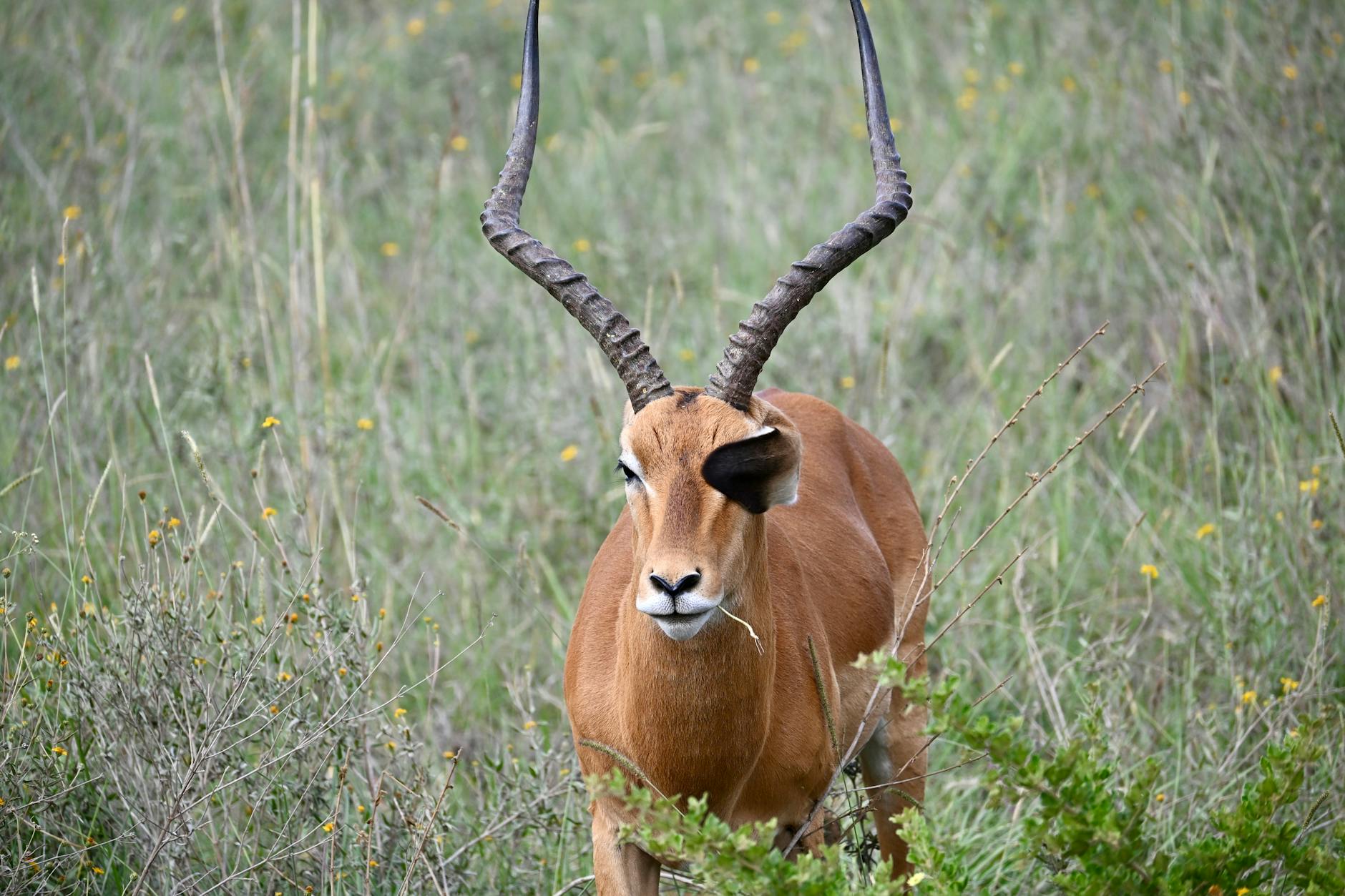
The Masai Mara is more than just a game reserve — it is a living, breathing ecosystem teeming with wildlife. Covering approximately 1,510 square kilometers, this golden savanna is home to the “Big Five”: lions, elephants, leopards, buffalos, and rhinos. But what truly sets it apart from other African destinations is its role in one of nature’s most dramatic spectacles — the Great Migration Kenya.
Beyond the wildlife, the Masai Mara is also deeply tied to the culture and heritage of the Maasai people, a semi-nomadic community whose traditions, vibrant clothing, and connection to the land add a rich cultural dimension to every visit.
—
Understanding the Great Migration Kenya
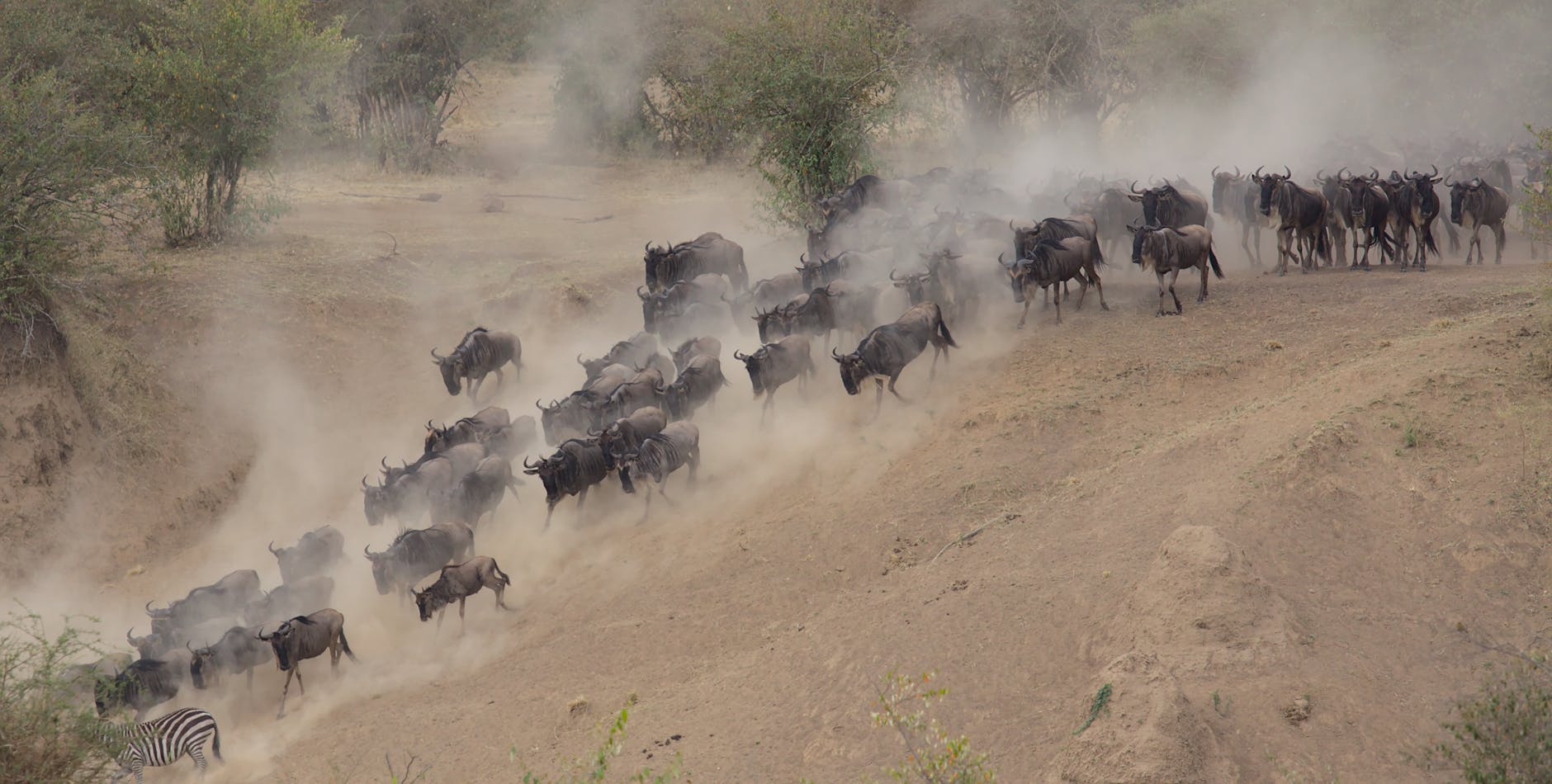
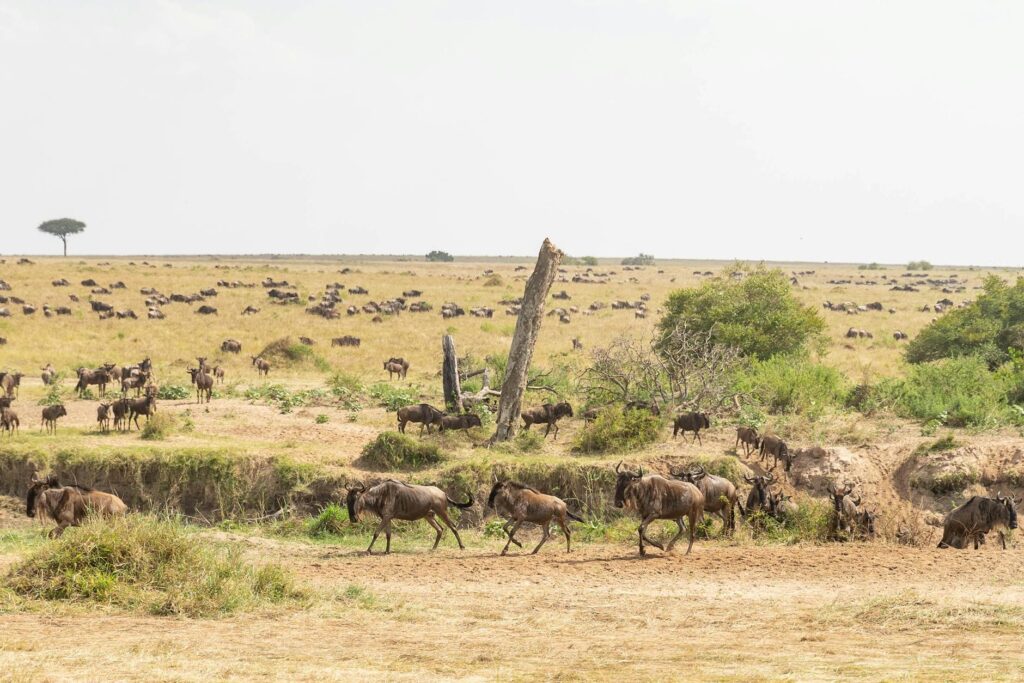
The Great Migration Kenya is widely regarded as one of the Seven Natural Wonders of the World. Every year, more than 1.5 million wildebeest, accompanied by hundreds of thousands of zebras and gazelles, make a circular journey across the Serengeti in Tanzania and into the Masai Mara in Kenya in search of fresh grazing grounds and water.
The most jaw-dropping moment of this migration is the Mara River Crossing, where massive herds must brave crocodile-infested waters to cross into the Kenyan reserve. The tension, noise, and raw energy of thousands of animals charging through the river is a sight that leaves visitors breathless and in awe of nature’s power.
The migration is not a single event — it is a continuous cycle throughout the year. However, the Kenyan chapter of this journey is what draws millions of travelers from around the globe.
—
Best Time for Masai Mara: When Should You Visit?
Choosing the best time for Masai Mara depends on what you want to experience most during your visit.
July to October — Peak Migration Season
This is the most popular and highly recommended time to visit. The wildebeest herds arrive in the Mara from July onwards, and the dramatic river crossings typically occur between August and September. The weather is dry, the grass is shorter, and wildlife visibility is at its peak. Book your accommodations well in advance — this period fills up fast.
January to March — Calving Season
If witnessing the miracle of birth appeals to you, consider visiting during the calving season in the southern Serengeti, which extends into early-year Mara viewing. Predators are hyperactive during this time, making for exceptional wildlife drama. This period is also less crowded and more affordable.
April to June — Green Season
Also called the “shoulder season,” this is when the Mara transforms into a lush, green paradise following the long rains. While some lodges close and road conditions can be challenging, the landscapes are spectacular, bird watching is superb, and prices are significantly lower.
—
How to Get to the Masai Mara
Getting to the Masai Mara is easier than many travelers expect.
By Air: The most comfortable and time-efficient option is to fly from Nairobi’s Wilson Airport to one of the several airstrips inside or near the reserve, including Keekorok, Ol Kiombo, and Mara Serena. Charter flights are also available and can be arranged through most safari operators.
By Road: If you prefer to enjoy the Kenyan landscape along the way, a road journey from Nairobi takes approximately 5 to 6 hours. Hiring a reliable 4×4 vehicle or booking a road transfer through a licensed tour operator is strongly recommended.
—
Kenya Safari Tips Every Traveler Should Know
To make the most of your adventure, keep these essential Kenya safari tips in mind before and during your trip:
1. Choose the Right Accommodation
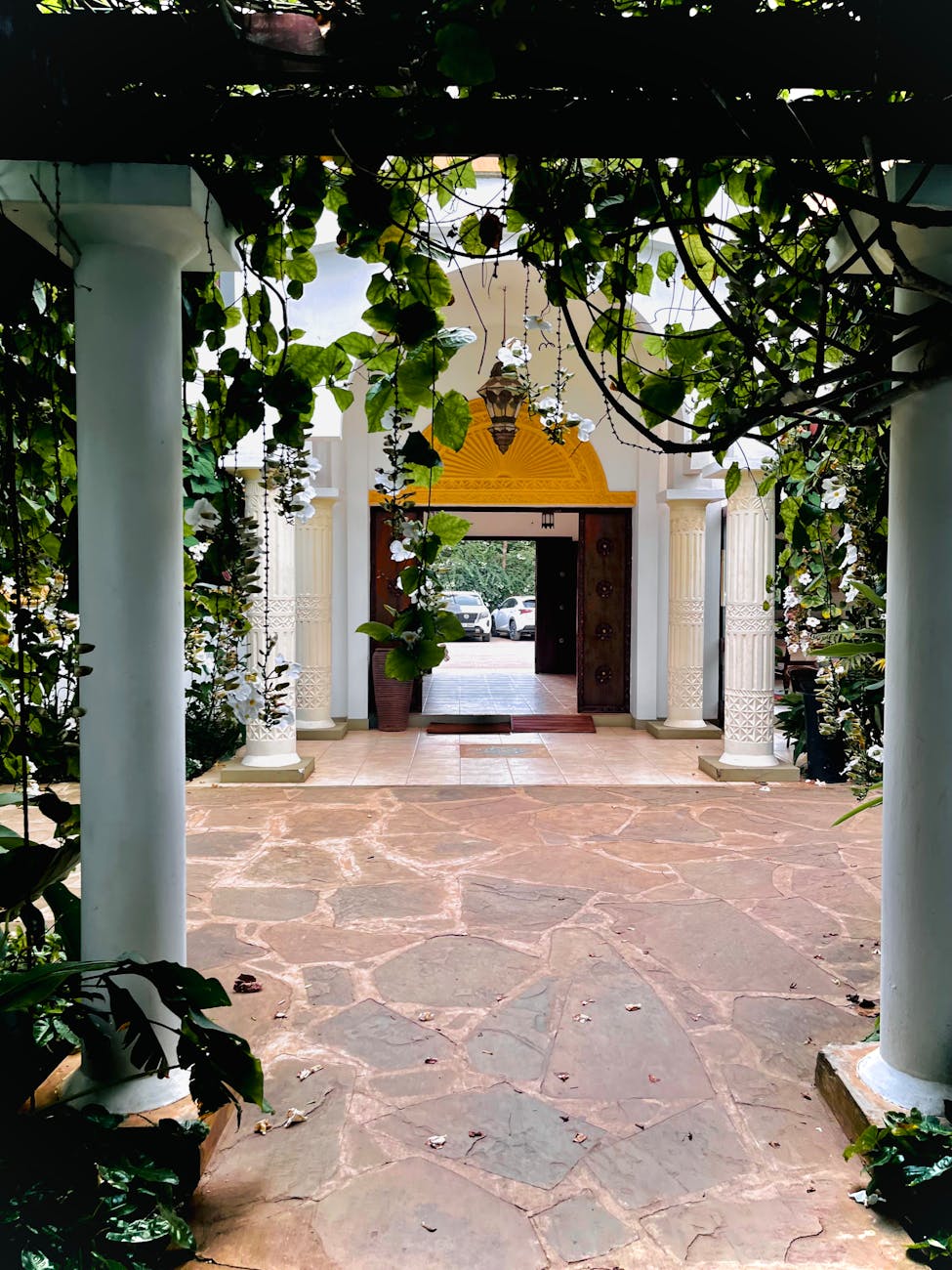
The Masai Mara offers a wide range of lodging options, from luxury tented camps perched along the Mara River to budget-friendly guesthouses near the reserve gates. For a truly immersive experience, staying inside or on the borders of the reserve gives you access to game drives during the early morning and evening — the golden hours for wildlife sightings.
2. Hire an Experienced Guide
A knowledgeable local guide is your greatest asset on safari. They understand animal behavior, know the terrain, and can predict where the herds are likely to move. Don’t compromise on guide quality — it directly impacts the quality of your experience.
3. Pack Smart and Light
Layering is key in the Mara. Mornings and evenings can be surprisingly cold, while midday temperatures rise considerably. Pack neutral-colored clothing to blend into the environment, comfortable walking shoes, a wide-brimmed hat, sunscreen, and a good pair of binoculars.
4. Respect the Wildlife and Environment
Always follow your guide’s instructions. Never attempt to feed animals, exit the vehicle without permission, or stray from designated paths. The Masai Mara’s ecosystem is fragile, and every visitor has a responsibility to protect it.
5. Carry Sufficient Cash
While many premium lodges accept credit cards, smaller establishments, local markets, and tips for guides and staff are best handled with Kenyan shillings or US dollars. ATMs are scarce in the reserve area, so come prepared.
6. Get the Right Travel Insurance and Vaccinations
Before traveling to Kenya, consult your doctor about recommended vaccinations, including yellow fever, typhoid, and hepatitis A. Malaria prophylactics are also strongly advised. Comprehensive travel insurance that covers medical emergencies and safari activities is a must.
—
Conservation and Responsible Tourism in the Masai Mara
Tourism in the Masai Mara plays a vital role in conservation efforts. Revenue from park fees, lodge stays, and guided tours contributes directly to wildlife protection programs and supports the livelihoods of local Maasai communities. When choosing tour operators and camps, prioritize those that operate sustainably, employ local staff, and invest in community development.
Eco-friendly camps powered by solar energy, waste reduction initiatives, and partnerships with conservation organizations are all positive signs of responsible tourism.
—
A Journey Worth Every Moment
The Masai Mara is not simply a destination — it is an experience that changes the way you see the world. Standing on the open plains at sunrise, watching a pride of lions move silently through the golden grass, or witnessing thousands of wildebeest thunder across the Mara River, you will understand why so many travelers call this the most powerful place they have ever visited.
With the right planning, the perfect timing, and a spirit of adventure, your Masai Mara safari will be more than a vacation. It will be a story you tell for the rest of your life.
—
Start planning your journey today — the wild heart of Kenya is waiting for you.